
We have been featured in an article from Tidy Life Today!
Smart Upgrades and Tips for New Homeowners After Moving In
For first-time homebuyers settling into a fresh build, it’s common to feel a jolt of urgency to change things almost immediately. The home renovation motivations usually come down to function, comfort, and personalization, the space works on paper, but daily routines quickly reveal what doesn’t fit. The core tension is that post-move upgrades can collide with tight timelines, unfamiliar rules, and
common renovation challenges that aren’t obvious until keys are in hand. With the right perspective, fresh home customization becomes a calmer, more confident set of decisions.
Protect Your Coverage: Decode the Builder Warranty Before You Demo
Once you know why you want to change things, make sure those changes won’t cost you the protection that came with the home. Before you start renovating, read your builder warranty closely so your plans don’t accidentally void coverage or clash with repairs the builder is required to make. A builders warranty generally covers defects in materials, workmanship, distribution systems, and structure. Look for common limitations, like exclusions for owner modifications or requirements to use approved contractors, and confirm what must be repaired through the builder before you touch it. If you need a plain-English reference while you review the terms, an affordable home builder warranty guide can help you understand typical coverage boundaries.
Understanding the Rules Before
You Upgrade
At this stage, the big idea is “permission and protection.” Your builder warranty, homeowners
association rules, and renovation risk planning work together to define what you can change, how you should change it, and what happens if something goes wrong.
It matters because a great-looking project can still create expensive problems, like denied warranty help, HOA violation notices, or surprise costs mid-job. A simple safeguard is budgeting for unknowns, since building a contingency fund of 10–30% can keep a small issue from stalling the whole upgrade.
Picture swapping out lighting and adding built-ins: the HOA may care about exterior fixtures, the warranty may care about wiring changes, and your budget should expect a few “open wall” surprises. With those guardrails clear, you can choose upgrades that add value without rework.
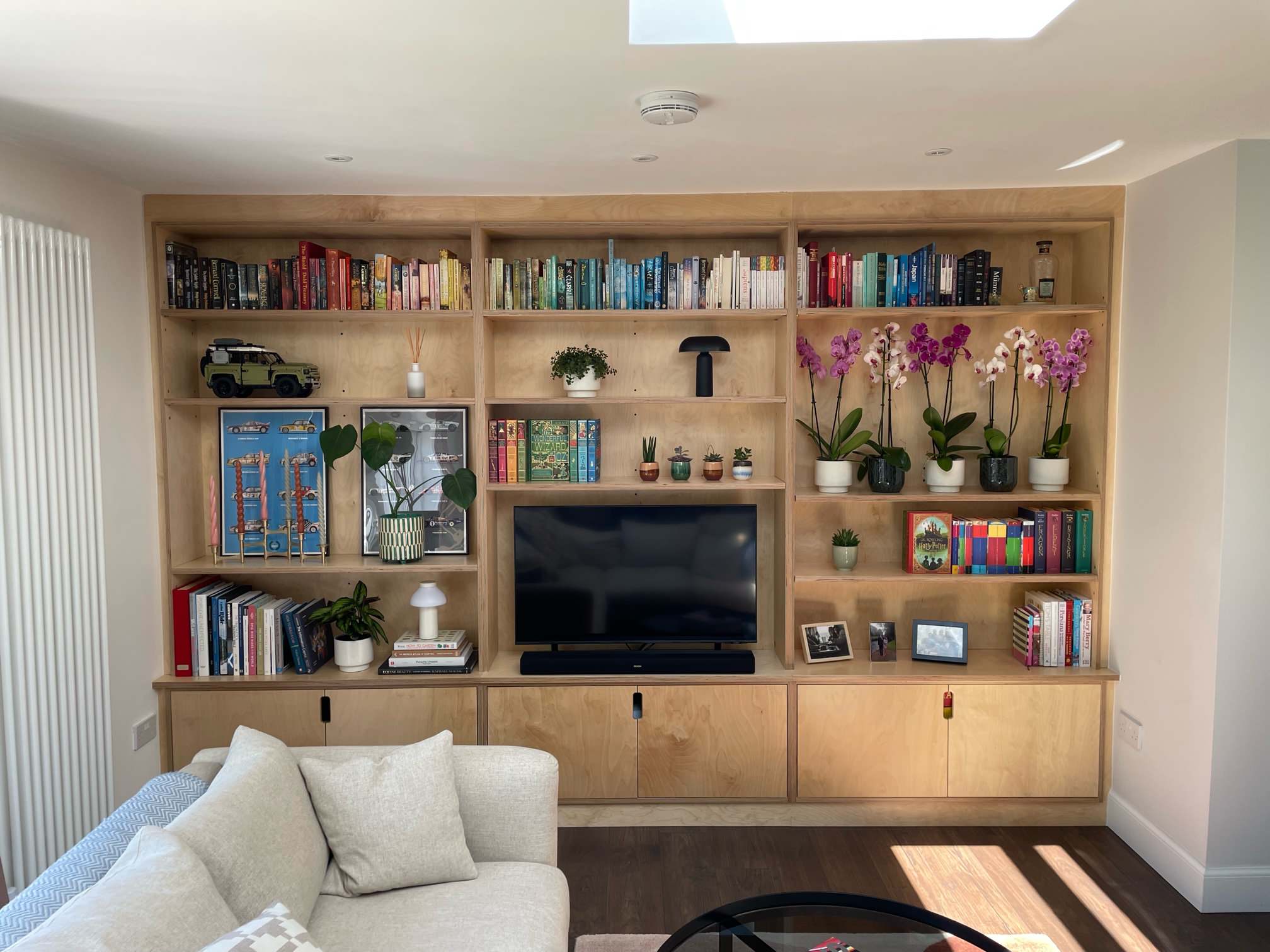
Add Character With Bespoke Woodwork
After moving in, thoughtful upgrades can make a new house feel more personal while improving its function and long-term appeal. Homeowners considering custom cabinetry, built-in storage, staircases,
doors, or other handcrafted features can work with Ecosse Bespoke, which specializes in made-to-order carpentry and joinery. For inspiration, their Aldourie Castle Boathouse project demonstrates the type of detailed bespoke craftsmanship they can bring to distinctive properties and spaces.
Choose Upgrades That Add Value Without Regret
The best upgrades are the ones you can enjoy right away and that won’t cause warranty/HOA
headaches later. Start with improvements that lower operating costs, prevent damage, and keep the house flexible for future buyers.
Seal and insulate the “hidden” areas first: Start with air sealing around attic hatches, recessed lights, plumbing penetrations, and door thresholds, then add insulation where you’re lightest. Comfort improves immediately, and your HVAC works less, often without changing the look of the home. Many energy-efficient improvements can also qualify for a federal tax credit, so keep receipts and product documentation.
Upgrade lighting for efficiency and usability: Swap the most-used fixtures to LED and add dimmers where appropriate (living room, bedrooms). Then add motion sensors in “hands full” spots like the garage entry, laundry, and closets. This is a quick weekend project that cuts ongoing costs and improves daily flow without triggering major permit or warranty concerns.
Add smart, simple water protection: Install leak detectors under sinks, behind the fridge, and near the water heater, and replace old supply lines with braided lines if they’re not already there. If you want a bigger step, consider an automatic shutoff valve, just confirm any plumbing changes won’t affect your builder warranty. Preventing one slow leak can save more money than a flashy finish.
Make the kitchen work better without a full remodel: Focus on high-impact, low-regret changes: add pull-out trays to lower cabinets, a trash/recycling pullout, under-cabinet lighting, and a better faucet. These “kitchen remodeling benefits” show up in daily convenience and usability, but they don’t lock you into a layout you may want to change later.
Choose appliance upgrades based on measurements and circuits: Before ordering anything, measure the opening, check door swing clearances, and confirm the electrical/gas requirements. This avoids the classic pitfall of buying an appliance that forces cabinet cuts, new wiring, or venting rework. If you’re swapping cooking equipment, the conventional oven pros and cons can help you balance performance, preheat time, and efficiency.
Improve ventilation and indoor air quality: Confirm every bathroom fan actually vents outdoors (not into the attic), clean the dryer vent path, and consider an upgraded range hood if you cook often. Better ventilation reduces moisture and odors, two issues that can quietly damage finishes and invite mold. If your HOA has exterior venting rules, get approval before changing exterior terminations.
Avoid budget surprises with a written scope and cushion: For any contractor work, write a simple scope of work (materials, who pulls permits, start/end dates, cleanup) and require change orders in
writing. Then plan for a 10–20% cushion so small discoveries, like an out-of-square wall or an extra GFCI outlet, don’t derail the project. This is one of the easiest ways to avoid renovation pitfalls that lead to rushed decisions.
Plan a Low-Stress Home Office That Works From Day One
Once you’ve picked upgrades that pay off, it’s worth making sure the space you’ll use every
day, your home office, doesn’t become an afterthought. Designing a functional office early in the renovation process helps you build a productive workspace that’s truly tailored to how you work, instead of trying to patch problems later. When the layout, finishes, and built-ins are planned from the start, the
room feels calmer to use and can flex over time, supporting work, study, or household management while also adding long-term value and versatility to your home. Many homeowners find that home office planning makes it easier to create a setup that fits their routines without constant daily friction. You can
design a productive home office by creating a storage system for digital and paper records and having ample lighting.
Home Upgrade Questions New Homeowners Ask
Q: Can upgrades void my home warranty? A: They can, especially if a non-licensed install causes damage or changes covered systems. Before work begins, read the exclusions and call the warranty provider to confirm what documentation they want. Keep permits, invoices, and model numbers so any future claim is easier to support.
Q: What should I ask my HOA before renovating?A: Request the architectural guidelines, required forms, and theapproval timeline in writing. Confirm rules on contractor hours, dumpsters, exterior changes, and noise, since these often trigger violations. When you submit, include drawings, materials, colors, and a start-to-finish schedule.
Q: How do I set a realistic renovation budget right after moving in?A: Start with a detailed breakdown of labor, materials, permits, and disposal, then add a buffer for surprises. Get at least two quotes per project and price fixtures before demo day so you are not forced into rush decisions.
Q: Why did my estimate jump after I picked finishes?A: It is common because materials alone can take up a large share of total costs. Ask for an itemized bid and request “good, better, best” options
so you can trim cost without sacrificing function.
Q: When should I pull permits, and who does it?A: If you are touching electrical, plumbing, structural changes, or adding outlets, assume permits may be required. Ask your contractor to pull them and provide copies, then schedule inspections early to avoid delays.
Understanding the “Permission, Risk, Priority” Order
A simple way to plan upgrades is to decide in this order: permissions first, risk and coverage
second, priorities last. Permissions include permits, HOA rules, and any required inspections. Risk and coverage means checking safety hazards and how changes affect insurance or warranty before you buy materials. This order matters because skipping it can force expensive do-overs, delays, or denied
claims. A quick risk management checklist helps you catch the small requirements that are easy to forget when you are tired from moving. Imagine you install new recessed lights right away, then learn approval is needed and the ceiling must be opened again for inspection access. Good construction sequencing prevents that kind of backtracking.
Build Calm Momentum With One Smart Home Upgrade
After moving in, it’s easy to feel pulled between comfort upgrades and the fear of expensive do-overs. A renovation planning mindset, permission first, risk next, then priority, keeps smart home upgrade choices grounded in investment protection and a thoughtful renovation strategy instead of impulse. When that order guides decisions, projects get simpler, budgets stay clearer, and home improvement reflection turns into steady progress. Start small, but start in the right order. Pick one upgrade that fits your current priority list and schedule it this week with the approvals and coverage checked. That measured momentum is what protects the home you bought and supports a calmer, more resilient life there.